

We know AI detection has blind spots. We expose them here.
Media Integrity and Authenticity: Microsoft Research; February 2026
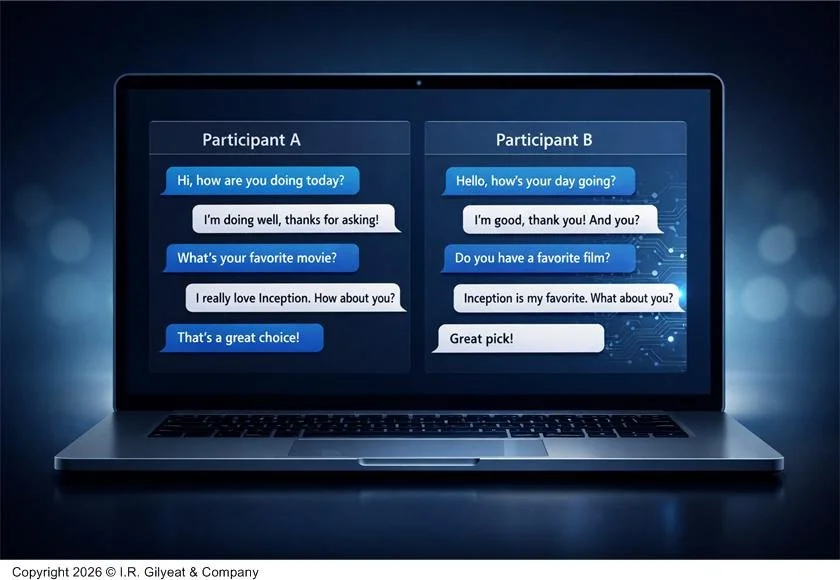
Turing-style tests: International Journal for Educational Integrity; December 2023
Colleges and research think tanks keep telling us multiple methods are needed to detect artificial intelligence
Behavioral analysis
Quick and Easy does not exist in AI detection. Detection requires human intelligence, artificial intelligence and more…
This page is a work in progress and will evolve as we continue our research into AI detection, identifying where it fails and why artificial intelligence + human intelligence+ more is required to know the difference between what is real and what is artificial.
arXiv hosted research from multiple academics from Duke University, UNC, UC-Berkley and scam.ai. How well are open sourced AI-generated image detection models out-of-the-box: A comprehensive benchmark study ; February 2026
Is Artificial Intelligence Generated Image Detection a Solved Problem? Clearly it is not. This research shows how lab created results fall apart in real-world uses across multiple types and locations of media use; October 2025
Microsoft Research: take a deep dive into cryptographic secured provenance, imperceptible watermarking and soft-hash fingerprinting.
International Journal for Educational Integrity: testing of detection tools for AI generated text.
Campus Technology Research Report: No Foolproof Method Exists for Detecting AI-Generated Media
Forbes contributor, Lars Daniel: AI Detection Tools Can’t Catch Fakes. “Detection tools have a role. Provenance standards like C2PA have a role. But they’re layers in a defense, not the defense itself.”